

 See My Latest Article on HelloNation
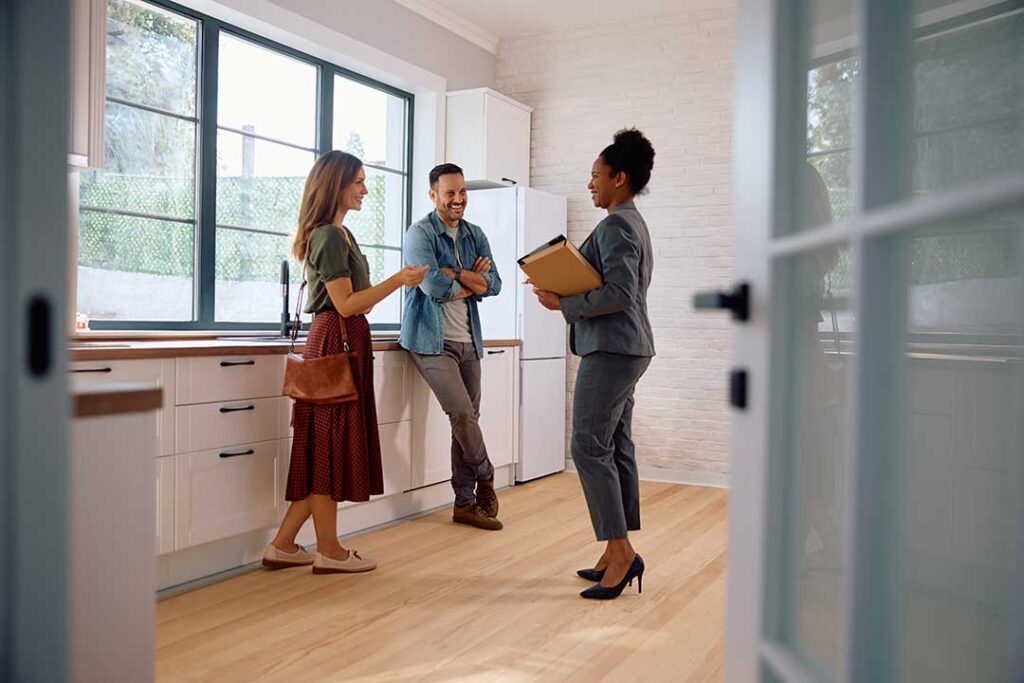
What Does “Staging” a Home Mean for Lafayette, IN Homeowners?
Staging a home means preparing it to appeal visually and emotionally to the widest range of potential buyers. In Lafayette, IN, this usually involves decluttering, rearranging, cleaning, and adding small decorative touches—often using what residents already own.
Many area homes have unique layouts, varying ages, or a mix of original and updated features. Local buyers often look for homes that feel welcoming and ready to live in, even if not entirely renovated. Staging helps your space look its best without expensive upgrades, and is especially valuable in a market where first impressions count.
Can You Stage Your Home Effectively Without Spending Much Money?
Yes, effective staging rarely requires a large budget. Most improvements come from effort and creativity rather than major spending. In Lafayette, many homeowners tap into seasonal routines or community resources to refresh their space, whether preparing for the spring market or a late summer sale.
Practical, budget-minded steps include:
- Using what you already own in new ways
- Borrowing or swapping select décor with friends or family
- Shopping for small, versatile items at resale shops or local thrift stores
- Tackling repairs and touch-ups with leftover supplies from previous projects
The goal is to maximize your home’s appeal while minimizing costs.
What Are the Most Cost-Effective Staging Steps?
Decluttering and cleaning are the most impactful and affordable ways to improve any home. In Lafayette, storage space within homes can vary widely, and homes sometimes have full basements or garages that accumulate items over time.
Start by:
- Removing out-of-season clothing, excess furniture, and unnecessary items from main living areas
- Organizing closets to appear spacious and functional (using matching hangers or baskets)
- Deep cleaning floors, windows, baseboards, and light fixtures throughout the home
- Repairing scuffs on walls with touch-up paint, if available
Each space will feel fresher and larger with these changes, helping buyers picture themselves living there.
How Should You Prioritize Which Rooms to Stage?
Focus on high-impact rooms: entryway, living area, kitchen, main bedroom, and bathrooms. These spaces typically shape buyers’ first impressions and influence their perception of overall value.
In Lafayette homes, common layouts sometimes feature an open living/dining space and separated bedrooms. Emphasize:
- A tidy, well-lit entry that feels inviting (add a clean doormat or borrowed accent rug)
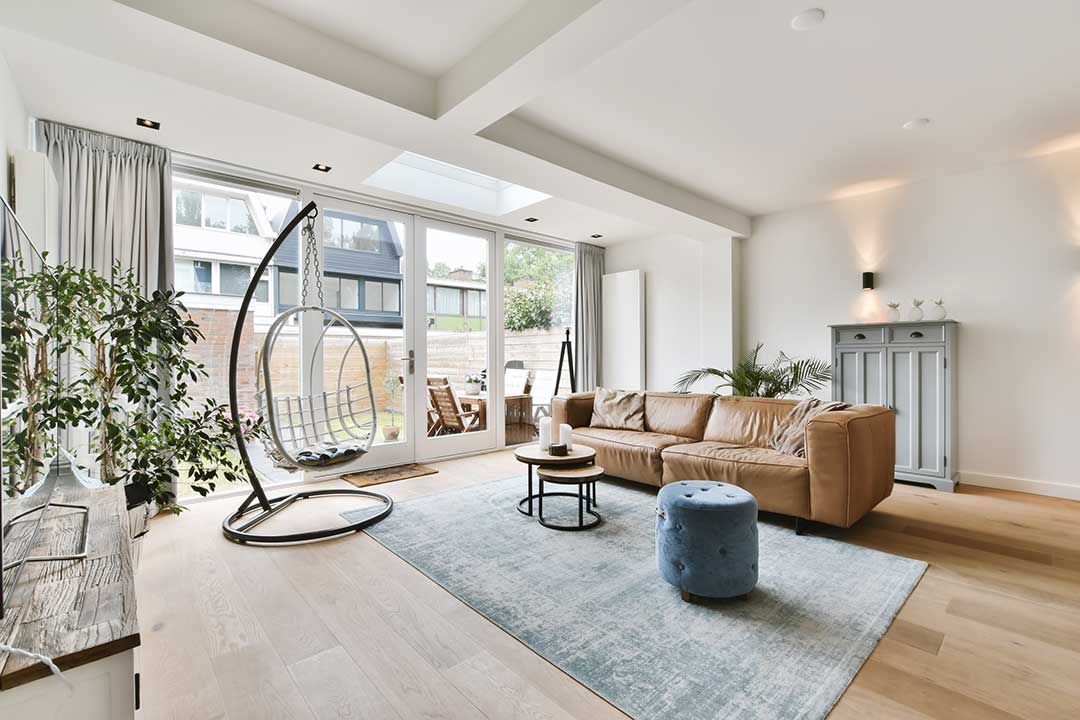
- An orderly living room with well-spaced seating and minimal clutter
- Kitchens with cleared countertops and wiped-down appliances, perhaps a bowl of fruit or a small planter for a pop of color
- Bedrooms that appear restful, with neutral bedding and clear nightstands
- Bathrooms with fresh towels (even rolled or neatly hung), and counters cleared of personal items
If a room is empty, consider temporarily moving a chair or small table from another space to create a sense of purpose.
What Are Some Seasonal Considerations Unique to the Community?
Lafayette’s climate means seasonal details matter. Staging in winter often involves extra attention to muddy boots, salt, and damp outerwear—use a simple tray for shoes or a row of hooks by the door to highlight organization. In spring and summer, emphasize natural light: open blinds, wash window panes, and place lightweight throws or crisp linens for a fresh feel.
Front porches are common in the area. Add a swept walkway, a pair of chairs, or a potted plant near the entrance. These changes signal a well-cared-for, welcoming home suited to the region’s lifestyles.
Are There Common Mistakes to Avoid?
A few common pitfalls can make even a staged home feel less inviting. Consider these:
- Over-decorating: Too many accessories can make rooms feel crowded and distract buyers.
- Personal photos or memorabilia: These can prevent buyers from imagining the space as their own.
- Ignoring odors: Hidden pet, smoke, or cooking smells are amplified by closed windows—clean fabrics and air out rooms well ahead of showings.
It’s easy to overlook these issues, but friends or neighbors can be a good second set of eyes (and noses) when preparing to list.
How Can You Get a Fresh Look Using Only What You Have?
Rearranging furniture is free and can transform how rooms are perceived. Experiment with removing a piece or two to open up floor space, or swap lamps and side tables between rooms for balance.
DIY art can be as simple as framing fabric remnants, children’s artwork, or attractive magazine pages. Small houseplants or branches from the yard—arranged in clean jars or pitchers—add life without expense.
Regularly used items like colorful throw blankets or pillows can be “rotated” from bedrooms to the living area for a temporary splash of color while the home is being shown.
When Should You Replace or Repair Instead of Reuse?
Most staging is about using and refreshing what’s already present, but some items should be replaced if possible. Consider replacing:
- Broken or overly worn-out rugs (a bare floor is sometimes better than a damaged covering)
- Torn window blinds or stained curtains (remove instead of replace, if it makes the room brighter)
- Burned-out light bulbs (swap with working ones from less-used fixtures)
Small hardware fixes—tightening knobs, re-caulking, or replacing outlet covers—are also usually inexpensive and boost perceived quality.
Do You Need to Paint or Make Other Big Changes?
Large-scale painting or renovations generally aren’t required for successful staging on a budget in Lafayette. However, touching up chips or painting a single accent wall with leftover or discounted paint can brighten and modernize a space at minimal cost.
If paint isn’t possible, clean walls thoroughly and hang a neutral piece of art to cover any marks that can’t be removed. Focus efforts on the spaces buyers see first.